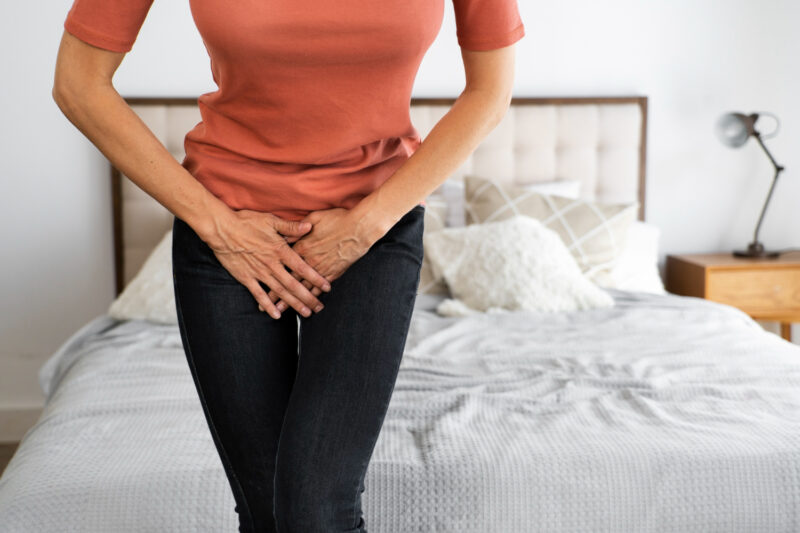


Take Back Control: Lifestyle Changes to Manage Overactive Bladder
Living with an overactive bladder (OAB) often feels like a constant negotiation with your body. You bargain with your fluid intake before a long drive, scout for restrooms the moment you enter a restaurant, and perhaps even decline invitations because the anxiety of not finding a bathroom is too high.
While medical treatments and physical therapy are cornerstones of OAB management, what you do in your daily life plays a massive role in your success. Small, strategic changes to your diet, habits, and routine can significantly calm your bladder and reduce urgency.
This guide explores practical, actionable lifestyle adjustments you can start today to help manage your symptoms and reclaim your confidence.
Rethink Your Hydration Strategy
One of the most common misconceptions about OAB is that drinking less water will solve the problem. It seems logical: less fluid in means less fluid out, right? Unfortunately, the bladder doesn’t work that way.
The Concentrated Urine Trap
When you severely restrict fluids, your urine becomes highly concentrated. Concentrated urine is acidic and irritating to the lining of the bladder. This irritation can actually trigger the bladder muscles to spasm, causing more urgency and frequency—the very symptoms you are trying to avoid.
Finding the Sweet Spot
The goal is not dehydration, but smart hydration.
- Sip, Don’t Gulp: chugging a large glass of water overwhelms the bladder. Try sipping water consistently throughout the day to keep your bladder filling at a steady, manageable rate.
- Monitor Timing: If nocturia (waking up at night to pee) is an issue, try tapering off your fluid intake about two to three hours before bedtime.
- Aim for “Straw” Color: Your urine should be a pale yellow. If it’s dark, you need more water. If it’s completely clear, you might be over-hydrating.
Identify and Eliminate Bladder Irritants
Just like certain foods can upset your stomach, certain foods and drinks can irritate your bladder. When the bladder lining gets agitated, it signals your brain that it needs to empty immediately, even if it isn’t full.
Common culprits include:
- Caffeine: A powerful diuretic that increases urine production and stimulates bladder spasms. This includes coffee, tea, energy drinks, and even chocolate.
- Alcohol: Like caffeine, alcohol acts as a diuretic and a bladder stimulant.
- Acidic Foods: Citrus fruits (lemons, oranges, grapefruits), tomatoes, and tomato-based sauces.
- Spicy Foods: Chilies, hot sauces, and curries can irritate the bladder lining.
- Carbonated Beverages: Even sparkling water can be problematic for some people due to the carbonation.
- Artificial Sweeteners: Some sweeteners found in diet sodas and low-calorie snacks are known irritants.
Pro Tip: You don’t have to cut everything out forever. Try an elimination diet. Remove potential irritants for a week to see if symptoms improve, then slowly reintroduce them one by one to identify your specific triggers.
Master Your “Urge Suppression” Techniques
When that sudden, intense urge to go hits, panic usually follows. Your instinct is to rush to the bathroom. However, rushing increases abdominal pressure and anxiety, which can make the urge worse and lead to leaks.
Instead, try these urge suppression techniques to calm the bladder before you walk to the restroom:
- Stop and Stand Still: Don’t run. Stop moving. Sit down if you can.
- Squeeze: Perform a few quick, strong pelvic floor contractions (Kegels). This sends a reflex signal to the bladder muscle to relax.
- Breathe: Take deep, slow breaths. Stress activates the “fight or flight” response, which can trigger bladder emptying. Deep breathing calms the nervous system.
- Distract: Distract your brain. Count backward from 100 by 7s, name 5 types of dogs, or visualize a calm scene.
- Walk calmly: Once the urge subsides, walk slowly to the bathroom.
Strengthen and Coordinate Your Pelvic Floor
Your pelvic floor muscles act as a hammock supporting your bladder and controlling the urethra. If these muscles are weak, they can’t effectively close the urethra to prevent leaks. If they are too tight (hypertonic), they might contribute to urgency and frequency.
It’s Not Just About Squeezing
While strengthening is important, coordination is key. A pelvic floor physical therapist can teach you how to:
- Contract correctly: Many people bear down instead of lifting up when trying to do a Kegel.
- Relax fully: Being able to relax the pelvic floor is just as important as contracting it, especially for emptying the bladder completely.
- Use the “Knack”: This involves contracting your pelvic floor muscles before you cough, sneeze, or lift something heavy to prevent leaks.
Manage Your Weight and Digestion
Your bladder lives in a crowded neighborhood in your pelvis. What happens to its neighbors affects the bladder directly.
The Constipation Connection
The bowel and the bladder are right next to each other. If the rectum is full of stool (constipation), it presses against the bladder, reducing the space the bladder has to fill and irritating the bladder nerves. Maintaining regular bowel movements through fiber intake and hydration is crucial for OAB management.
Weight Management
Excess body weight places chronic, extra pressure on the abdomen and the bladder. Studies have shown that even a modest weight loss (5-10%) can significantly reduce urinary incontinence episodes.
Reduce Stress and Anxiety
There is a strong link between the brain and the bladder. Have you ever been nervous before a presentation and suddenly needed to pee? That’s the brain-bladder axis at work.
Chronic stress keeps your nervous system in a state of high alert, which can make your bladder “twitchy” and over-sensitive. Incorporating stress-reduction practices like mindfulness, meditation, yoga, or simple deep breathing exercises can help lower your overall arousal levels and calm a nervous bladder.
Moving Forward
Managing an overactive bladder is rarely about fixing one single thing. It is usually a combination of therapies and lifestyle adjustments that brings the best results. Be patient with yourself; changing habits takes time, and your body needs time to adjust.
If you are trying these strategies and still struggling, remember that you don’t have to figure it out alone. A pelvic floor physical therapist can guide you through a personalized plan to help you regain control and live life without the constant worry of the next bathroom break.